
privacy-by-design
- AI Strategy (315)
- Generative AI (106)
- IT Leadership (33)
- Leadership (76)
- Product Management (344)
- Product Management Leadership (306)
- Uncategorized (32)
-
Bad Advice from Your AI Clone? Ethics, IP, and How Product Leaders Protect Quality
AI “clones” can sound like you while giving advice you’d never give. In this analysis, I unpack the ethics, IP risks, and product-quality pitfalls of building…
-
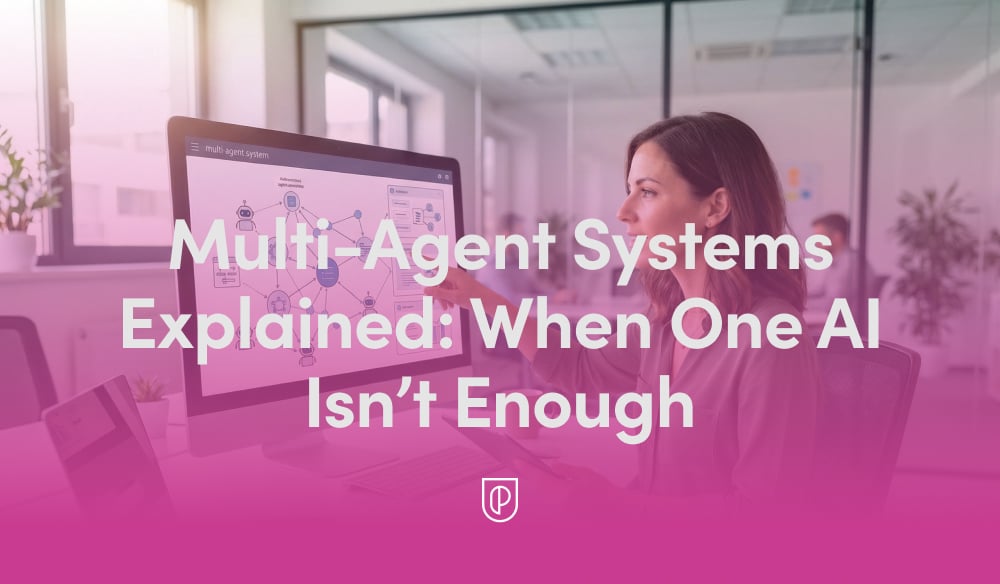
Multi‑Agent Systems Demystified: Why One AI Isn’t Enough—and How I Ship Faster With Many
Multi-agent systems turn a single clever model into a reliable product engine by coordinating specialized agents—planner, executor, and verifier—inside robust AI workflows. I use a retrieval-first…
-
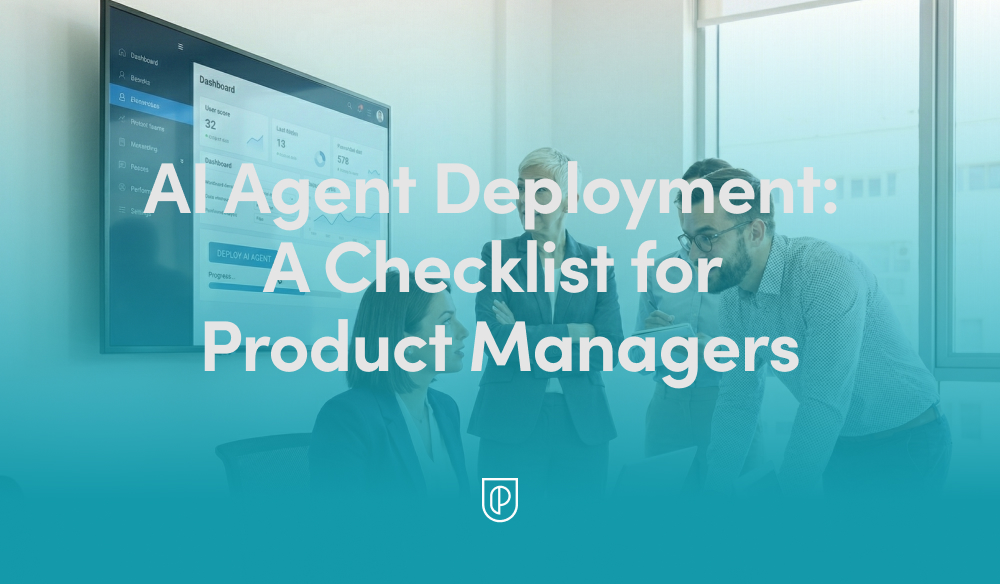
AI Agent Deployment Mastery: My Proven Checklist to Ship Safely, Faster, and at Scale
AI agents demand a higher bar for safety, observability, and measurable outcomes. In this first-person playbook, I share the proven checklist I use to deploy agentic…
-

Real-Time Analytics for Financial-Services Contact Centers
A practical operating model for turning live contact-center signals into routing, agent guidance, experiments, and compliant decisions.
-

Building Physician‑Grade AI When Trust Is Everything: Inside Healio’s Proven Playbook
Physicians won’t trust AI until it proves itself. Here’s how Healio built a physician-grade assistant with RAG and hybrid search across trusted sources like PubMed, designed…
-

AI Product Governance: A Practical Operating Model for PMs
Turn AI ethics into an operating system with risk tiers, release gates, clear ownership, vendor checks, monitoring, and rollback plans.
-

How to Build AI-Enabled Cybersecurity Operations Safely
A practical 90-day model for using AI in threat detection and incident response with clear authority limits, metrics, and governance.
-

Structured Prompting for an AI Resume Coach You Can Trust
Build a grounded AI resume coach with a three-layer prompt, evidence-linked feedback, safe rewrites, retrieval, and product-grade evaluation.
-

How Product Leaders Turn AI Strategy Into an Operating System
A practical operating model for choosing AI bets, defining production readiness, assigning ownership, measuring adoption, and deciding when to scale.
-

Governed Agent Analytics: From Support Signals to Adoption
A practical model for linking support performance to product adoption while enforcing clear data, access, experiment, and scale controls.
-

How to Structure Prompts for a Reliable AI Resume Coach
A practical prompt architecture for building an AI resume coach that stays grounded in evidence, rewrites consistently, and can be tested before release.
-

Amplitude Browser SDK: Turn Web Vitals Into Product Decisions
A practical model for sending Web Vitals through Amplitude, protecting page performance, and tying LCP, INP, and CLS to product growth.
-

Trustworthy AI Product Engineering: From Demo to Daily Use
A practical operating system for making AI outputs traceable, uncertainty actionable, failures bounded, and quality measurable in customer workflows.
-
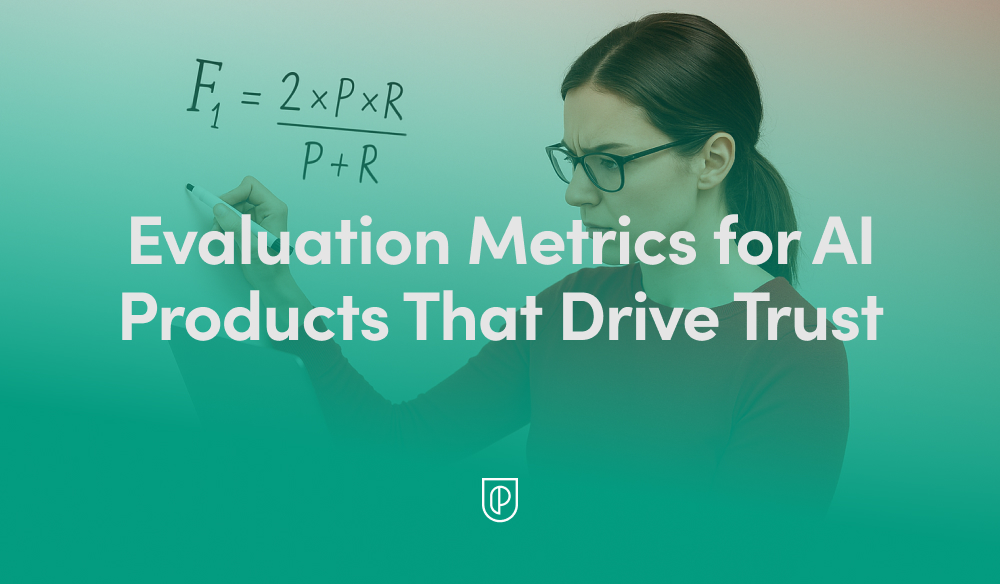
Beyond Accuracy: The Trust-First Evaluation Metrics I Use to Scale High-Impact AI Products
Trust—not accuracy—determines whether AI features earn adoption, retention, and long-term impact. In this piece, I share the layered metrics I use to evaluate model quality and…
-

AI-Ready Data Governance: A Practical Trust Framework
A practical operating model to trace AI inputs, enforce access, automate quality controls, and prove trust without slowing delivery.
-

How to Build Self-Service Analytics Teams Actually Trust
A practical operating model for giving product teams faster answers without sacrificing metric consistency, data quality, privacy, or analyst leverage.
-

Dormant User Win-Back Strategy: A Practical Playbook
A practical framework for segmenting dormant users, rebuilding their path to value, orchestrating outreach, and measuring durable reactivation.
-

Mastering Data Governance in the AI Era: Move Fast, Reduce Risk, and Unlock Trusted Insights
AI is changing the rules of data governance, and the winners will combine speed with trust. In this piece, I share a practical blueprint for building…
-

High-Quality Data, High-Velocity AI: My Product Playbook for Governance, Trust, and Scale
High-quality data is the fastest path to real AI impact. I outline how data contracts, privacy-by-design, and a unified analytics platform create the foundation for trustworthy,…
-

A Quality System for Trustworthy AI-Assisted UX Research
Learn how to use AI for UX synthesis without weakening evidence, participant coverage, privacy, or the product decisions the work supports.
Weekly digest
One email a week on AI products, enablement and hiring. No fluff.
Browse topics
- AI Strategy (315)
- Generative AI (106)
- IT Leadership (33)
- Leadership (76)
- Product Management (344)
- Product Management Leadership (306)
- Uncategorized (32)
Work with me
45-minute consultation on AI product strategy, GTM and PM hiring — no charge.